Dorothy Kudla, founder of Full Circle Connections, encountered a twenty-first-century dilemma while designing an executive offsite. The client had sent a lengthy AI-generated agenda packed with exercises and icebreakers, yet none addressed the team’s pressing tension. Amid the sprawling pages of aut
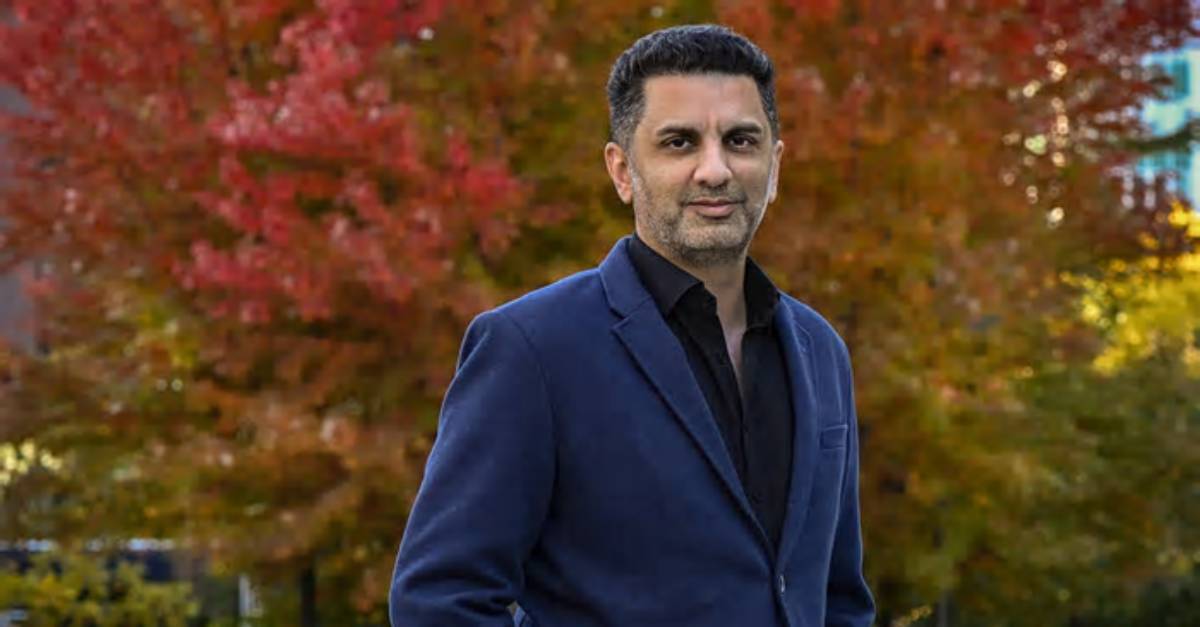
Dorothy Kudla, founder of Full Circle Connections, encountered a twenty-first-century dilemma while designing an executive offsite. The client had sent a lengthy AI-generated agenda packed with exercises and icebreakers, yet none addressed the team’s pressing tension. Amid the sprawling pages of auto-generated content, Kudla paused to ask a crucial question: what did the team want to achieve?
From Testing to Targeting Value
In the rush to adopt AI, many organizations celebrate usage metrics and the promise of automation yet lose sight of measurable impact. Kudla illustrates this with the example of a recruitment team bogged down in lengthy application screening. By applying AI to automate pre-screening, the goal shifts to concrete outcomes such as cutting screening time and accelerating interviews—moving beyond activity to clear efficiency gains. Teams learn to identify where AI can cut through administrative load or reduce bottlenecks and then decide how to quantify progress.
Agreeing on Success and Knowing When to Stop
Building consensus around success criteria is crucial, especially when AI outcomes are ambiguous or require human correction. Kudla advises teams to set benchmarks before deployment—such as reducing screening time by a defined percentage—and to track not only AI speed but also the time spent correcting errors. Post-evaluation leads to decisions to scale, reset, or retire AI projects. Even stopping an AI initiative is a positive result, clearing the path for new, better-aligned attempts. This disciplined approach channels energy from AI-generated “vibe” into measurable value that supports expert human work.
Source: The Globe and Mail
← All news